When to Start Buying Baby Clothes

A Trimester-by-Trimester Guide to Buying Baby Clothes Without Stress

There’s something so joyful and a little overwhelming about shopping for your baby’s first outfits. Tiny footies, soft gowns, the perfect going-home set... but when is the right time to actually start?


Some parents begin as soon as they see two pink lines. Others wait until the second trimester, the anatomy scan or even after the baby shower. There’s no universal rule, just a rhythm that works for your timeline, your comfort level and your pregnancy.


This guide walks you through what most parents do (and when), why the second trimester is often the sweet spot, and how to avoid the stress of last-minute shopping. You’ll also find tips for registry planning, baby shower timing, and hospital bag preparation, all backed by real-world routines, not just checklists.


Let’s take the pressure off and help you shop in a way that feels good and actually gets used.

Meet MA MA NYC: Bamboo Babywear That Fits Real Life

MA‑MA NYC, New York based baby clothing brand creates soft, breathable babywear designed for real routines like feeding, changing and settling your baby to sleep. Every piece is made with OEKO-TEX® certified bamboo fabric that feels gentle on sensitive skin and holds up well through regular washing. Parents who visit MA‑MA NYC online store are often building a registry, packing a hospital bag or choosing their baby’s first clothes. Our collections include bamboo footies, newborn bundles, knotted gowns and accessories, all selected to support comfort, ease and thoughtful preparation. We design each item to work well, feel right and make daily care just a little simpler.

EXPLORE OUR COLLECTION

Why Timing Feels Tricky and Why That’s Okay

There’s a reason so many parents search for advice on when to start buying baby clothes. It’s not just about planning. It’s about reassurance. You want to be prepared but not rushed. Excited, but still cautious. And in between those feelings sits a common question that has less to do with the calendar and more to do with confidence: When will it feel right to begin?


Some parents wait until after a first trimester scan. Others begin as soon as they find out they're expecting. And many pause again after the gender reveal, or before the baby shower, trying to time everything just right. These milestones can bring clarity, but they can also lead to indecision. That’s why it helps to think less about what week it is, and more about what phase you’re in emotionally and logistically.


Instead of seeing shopping as one big event, break it into stages. Start by learning about babywear and what’s truly useful. For example, understanding the difference between footies, knotted gowns, and rompers helps you avoid overbuying the wrong items. That kind of knowledge is just as valuable in the first trimester as placing your first order in the second.


Once you're familiar with how baby sizing works and what items are used most often, it becomes easier to pace yourself. You don’t need to buy every outfit right away. You just need to begin thinking about what will matter most in those first few weeks.


If you’re still unsure where to begin, start with a simple reference like the Newborn Essentials Guide. It lays out what babies actually wear, how often you’ll change them, and which pieces serve multiple purposes. From there, you can browse clothing bundles or checklists with more confidence.

The point isn’t to get everything at once. It’s to start making decisions that reduce your mental load instead of adding to it.

First Trimester: Browsing, Not Buying

The first trimester often brings excitement, anxiety and a lot of unknowns. For some parents, it feels too early to shop. For others, buying a footie or tiny hat helps make the pregnancy feel real.

There’s no rule that says you have to wait. But many parents choose to use the first trimester to explore rather than commit. This is the time to learn what your baby will need, not necessarily to stock the drawers.


Instead of buying multiple outfits in newborn sizes, focus on gaining clarity. Read fabric labels, compare styles and start identifying what matters to you. Do you want breathable materials like bamboo? Do you prefer gender-neutral colors? Would a maternity robe and swaddle set help you feel more prepared for the hospital?


This early window is ideal for building your baby registry wish list or bookmarking items for later. Some parents use it to start comparing brands or mapping out purchases by trimester, especially if they plan to space out spending.


If you’re hesitant to buy before your first ultrasound or blood work, that’s completely normal. But remember, not all shopping has to happen with a credit card. You can still plan, learn and prepare without purchasing a single item.


In fact, building your confidence during these first 12 weeks may help you avoid impulsive buys later. When you're ready to begin shopping, you'll already know what works best for your budget, lifestyle and the season your baby will arrive.

Second Trimester: The Ideal Window for Most Parents

For many expecting parents, the second trimester feels like a turning point. Energy tends to return; early symptoms ease up and the future starts to feel more real. This is when baby shopping often begins, not because a rule says to, but because it finally feels manageable.


Between weeks 14 and 28, most families find a rhythm. By now, many have had the first ultrasound or genetic screening and may have shared the news more widely. For some, this is also when they learn the baby’s sex, which can influence how they shop, especially if they’re considering gendered items. But even for those who don’t plan to find out, this trimester offers the clarity and momentum needed to make thoughtful choices.


It’s also a practical window. Many baby showers happen later in the third trimester, which means the second is your chance to fill in the essentials without feeling rushed. You don’t need to complete everything at once, but you can begin with the pieces that make a real difference in newborn care.


Start with your hospital bag items like footies, swaddles and a going-home outfit are always smart early purchases. If you're planning photos or want matching pieces for those first moments, a Welcome Home Bundle offers an easy solution. These pre-coordinated sets simplify decision-making and are designed to cover your baby’s earliest needs with soft, breathable layers.


This is also the time to start thinking about sizing. Many parents are tempted to buy all newborn clothes, but it’s wise to focus on a balance of newborn and 0–3 month sizes. You’ll get more wear from slightly roomier pieces, and if your baby arrives on the longer or heavier side, you’ll be glad you planned ahead.


If your pregnancy lines up with warmer months, consider our tips on How to dress a newborn in summer. Bamboo layers work beautifully in fluctuating temperatures and help reduce the risk of overheating. You can also begin to shop by category, browsing accessories like hats and bows or identifying pieces for layering later.


Rather than treating this as a checklist to conquer, think of the second trimester as the time to lay a calm, confident foundation. Buy what you’ll use most in those first few weeks. Let the rest come later.

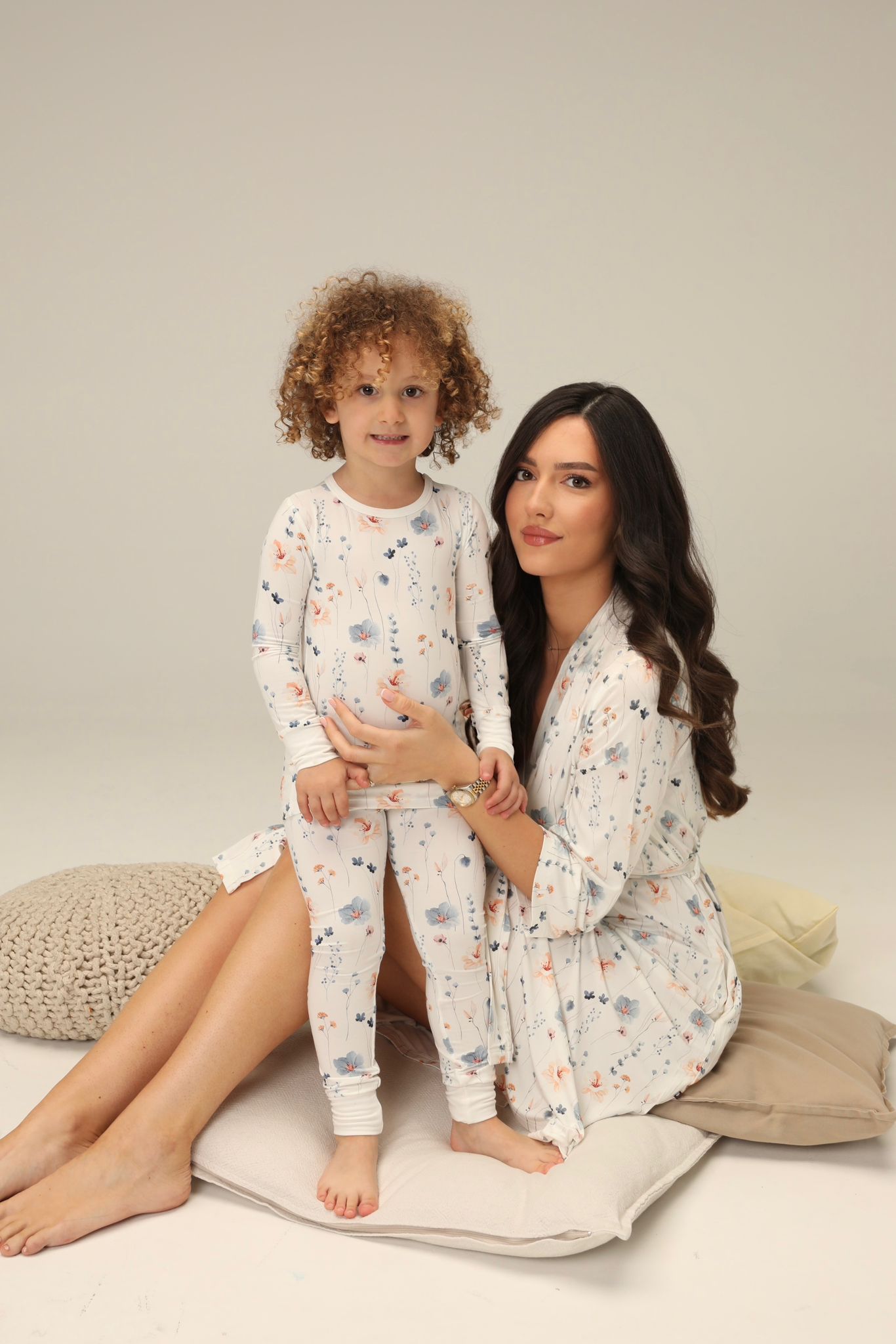
MA-MA NYC Maternity Robe

After the Baby Shower: Filling the Gaps

Baby showers are full of love, but they rarely check off every box. Even the most generous gift lists tend to leave gaps, especially in everyday clothing. That’s why many parents wait until after the shower to complete their shopping.


This phase is less about big purchases and more about rounding things out. You might find that you have plenty of onesies but not enough zip footies for nighttime changes. Or maybe you received swaddles but no matching hat or bow. These small gaps can make daily routines harder than they need to be.


Bundles become especially useful here. If your registry was filled with one-off items, a curated baby clothing bundle gives you well-coordinated outfits without guesswork. It’s also the perfect time to buy matching sets for hospital photos or family visits.

Sizing

As you review your gifts, pay attention to sizing. Many friends and relatives buy newborn clothes or cute outfits for later. That leaves a space in the middle. Sizes like 0–3M or 3–6M that cover the most worn weeks of early life. Stocking up in this size range ensures you have clothes that actually fit during the highest-change months.

Seasonality

Also consider seasonality. You may need to swap in a few short-sleeve bodysuits or lightweight layers depending on when your baby arrives. The goal is to make sure you have what you need for the first four to six weeks at home, not just the cute outfits you’ll post once or twice.


At this point, shopping becomes more intentional. You’ve seen what others gifted, you know your preferences better, and your due date is closer. Rather than starting from scratch, you're simply smoothing out what’s already in place.

Final Trimester: Double-Checking the Wardrobe

As your due date approaches, small tasks start to carry more weight. Many parents use this time to double-check their hospital bag essentials. That usually includes at least one cozy footie, a swaddle blanket, and a going-home outfit that feels special but simple. If you’re planning to take newborn photos at the hospital, coordinated sets with matching hats or bows take the guesswork out of getting dressed during those first few sleepy days.


This is also a good time to assess how your wardrobe balances across sizes. If everything is labeled “NB,” add a few 0–3 month options. Even smaller babies grow quickly, and clothes with a little stretch like bamboo footies are more forgiving during that first growth spurt.


Think about comfort, not just for your baby but for yourself. A lightweight maternity robe makes a difference during late pregnancy, labor and the first postpartum days. It’s one of those pieces that may feel optional until you’re wearing it at 4 a.m., nursing or rocking a baby back to sleep.


If you haven’t already, wash your baby’s clothes using a fragrance-free, gentle detergent. By prepping your clothes now, you’ll avoid late-night laundry runs and feel more grounded when everything else starts to move quickly.


The final weeks of pregnancy are rarely still, but making small, intentional steps like folding clean sleepers into drawers or placing swaddle near the bassinet can help you feel more prepared, even in the moments that feel most unpredictable.

MA-MA NYC Bundle (Maternity Robe, Swaddle and Baby Bow)

How Many Baby Clothes Do You Really Need?

A good starting point is to plan for frequent outfit swaps; newborns go through 1 to 3 changes a day due to spit-ups, leaks or temperature changes.


Here’s a practical breakdown for the early weeks:

5 to 7 footies or zip sleepers

These are your everyday staples. They work for sleep and daytime wear and you’ll rotate through them often.

2 to 3 knotted gowns

Ideal for overnight use and easy changes, especially during the first month.

6 to 8 bodysuits (short or long sleeve)

These layer under everything and double as stand-alone outfits in warmer weather.

2 to 3 swaddle blankets

Helpful for sleep, outings and calming routines. Many parents find one in use, one in the wash and one as backup works well.

2 to 3 hats or bows

Soft hats help regulate warmth during early days; bows add a thoughtful touch for photos or visitors.

1 to 2 lightweight layers

A robe for mom or a cardigan for baby can be useful during cooler mornings or post-bath.

Item Recommended Quantity Purpose
Footies or Zip Sleepers 5 to 7 Everyday staples for day and night wear
Knotted Gowns 2 to 3 Easy overnight changes during the first month
Bodysuits (Short or Long Sleeve) 6 to 8 Base layers or stand-alone outfits in warm weather
Swaddle Blankets 2 to 3 Useful for sleep, outings, and calming routines
Hats or Bows 2 to 3 Warmth and style for first days and photos
Lightweight Layers 1 to 2 Extra warmth after baths or during cool mornings

What’s the Best Fabric for Newborn Clothing?

Newborn skin is thinner and more sensitive than adult skin, making it more likely to react to rough textures, excess heat or moisture. Because your baby will spend most of the day in soft layers, the fabric you choose matters. 


Bamboo is often preferred for this stage because it’s breathable, smooth and flexible. It helps reduce the risk of overheating, allows for easy movement and stays gentle against delicate skin even through frequent changes and long stretches of wear.

Final Thoughts: Start When It Feels Right

Buying baby clothes often marks a quiet turning point during pregnancy. It’s a way to feel more prepared, to make the upcoming change feel a little more real, and to ease into the routines that lie ahead.


You don’t need to make every decision at once. Focus on the pieces you’ll use first. A few soft footies, a swaddle or two, and an outfit for the hospital or first days at home are usually enough to get started.

If you’re unsure where to begin, take a small step. One outfit. One blanket. Something simple that helps you feel more ready. That’s all it takes.

Frequently Asked Questions

Do baby clothes go on sale during certain months?

Yes. Many baby brands offer seasonal sales around Memorial Day, Labor Day, Black Friday and post-holiday clearance in January. Shopping during these windows can help you save on bundles and newborn essentials. If you're still in your second trimester, plan your purchases around these promotions to stock up efficiently.

Can I start shopping if I don’t know the baby’s gender yet?

Absolutely. Focus on gender-neutral essentials like cream, sage, grey or floral-neutral prints. Bamboo basics in these colors work beautifully no matter what you’re expecting and give you flexibility for future children too.

What should I avoid buying too early?

Skip specialty items like shoes, seasonal outfits far ahead of time or anything in sizes above 6 months. Focus first on multi-use pieces like footies, swaddles and gowns that will see daily use in the first two months.

How do I know how much laundry I’ll be doing?

Newborns go through 1–3 outfit changes a day, depending on spit-ups, diaper leaks or temperature shifts. If you plan to do laundry every 2–3 days, having 6–8 outfits (like footies or gowns) give you a comfortable rotation without stress.

How long do newborn sizes usually fit?

For most babies, newborn size fits for 2–4 weeks. If your baby is born over 8.5 lbs or gains weight quickly, they may skip it altogether. That’s why many parents start with a mix of NB and 0–3M. Bamboo fabric is especially helpful here, since it stretches gently and adapts as your baby grows.

Is it okay to wash baby clothes before I’ve finished shopping?

Yes, and it’s often helpful. Washing early batches of swaddles, robes and accessories allows you to test how fabrics hold up and how your detergent reacts with fabrics. It also helps you feel more prepared, even if the full wardrobe isn’t finished.