Baby Hats Guide: How to Choose the Right Hat for Your Baby Year-Round

Gentle Warmth, Thoughtful Protection and Everyday Comfort

Newborns spend most of their time being held, swaddled or resting. What they wear, especially on their heads, plays a role in how safe and calm they feel in those early weeks. But as your baby grows and starts exploring the world, the needs change. At every stage, the right hat can do more than complete an outfit. It can help regulate temperature, shield delicate skin and make your everyday routine a little easier.


Still, for many new parents, baby hats come with questions. Does my newborn need to wear a hat indoors? Should babies sleep in hats? This guide walks you through everything you need to know, from types of infant hats to seasonal use, safe materials and real-mom tips on keeping that tiny hat in place.

MA-MA NYC: Bamboo Baby Hats Made for Real Moments

At MA-MA NYC, we know a baby hat isn’t just another accessory. It’s the first thing your newborn wears in the hospital. It’s what keeps them warm on their first walk. It’s the little detail in the photo you’ll look back on for years.


That’s why we make bamboo baby hats that are soft, breathable and thoughtfully designed for everyday use. Our collection includes hats for newborns and young infants, with flexible fits that stay on gently without leaving marks. No matter if you’re dressing your baby for sleep, a stroller ride or a special occasion, our bamboo hats are made to support both comfort and function.


Every MA-MA NYC hat is made from OEKO-TEX® certified bamboo fabric, chosen for its softness, natural stretch and ability to help regulate body temperature. The result is a hat that feels barely there but does exactly what it needs to do. It keeps your baby warm without overheating. It stays in place without tight elastic. And it’s gentle enough for even the most sensitive skin.


Explore our Bamboo Baby Hat Collection to find soft, wearable essentials that fit naturally into your baby’s routine.

EXPLORE COLLECTION

Why Babies Need Hats?

Babies, especially newborns, lose body heat faster than adults. Much of that heat escapes through their heads, which makes a hat more than just a finishing touch, it’s part of how you help your baby feel warm, secure and calm.


In the early days, a hat helps hold warmth right after birth, when babies are still adjusting to the outside world. Hospitals often place a soft cap on a newborn’s head immediately after delivery for this reason. At home, a breathable hat keeps warmth in without causing overheating, especially during cooler mornings, after baths or while outside in a stroller.


But hats aren’t just for warmth. As your baby grows, a well-chosen hat provides practical protection against wind, sun or cold without relying on bulky outerwear. Sun hat shields the scalp, face and eyes from UV exposure. A soft winter hat keeps their head warm when it’s cold without needing thick layers that can be hard to manage.


Wearing a hat can also help babies sleep more soundly in drafty rooms or during outdoor naps. And for many parents, it’s one of the easiest ways to tell if their baby is staying warm - if you’d want a hat outside, your baby probably does, too.

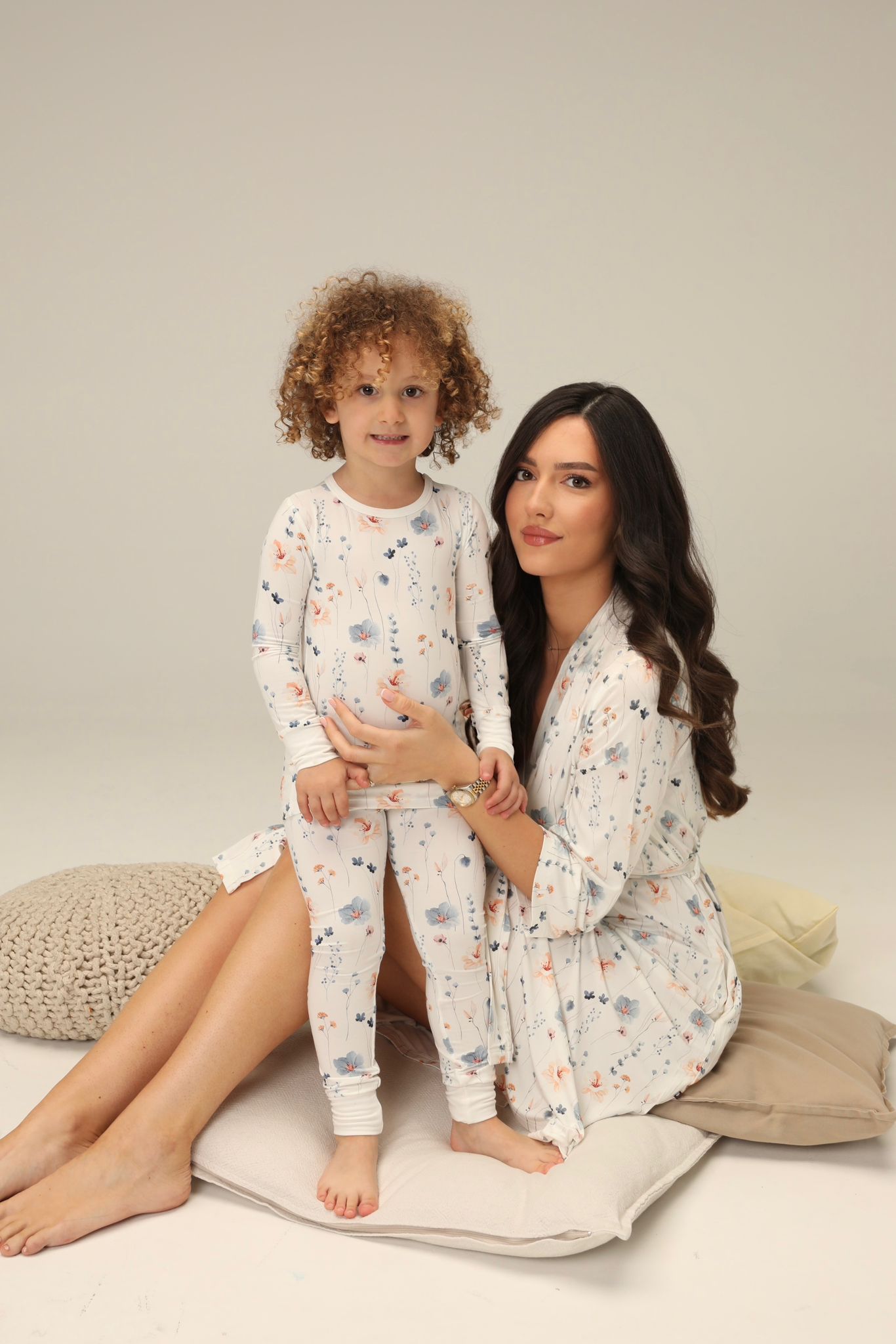
Types of Baby Hats: Styles, Materials and Fit

Not all baby hats serve the same purpose and choosing the right one depends on both the weather and what your baby will be doing that day. Here’s a breakdown of the most common types of infant hats and what to expect from each:

Baby Beanie Hat

This is the classic newborn hospital hat and one of the most used styles in the early weeks. It’s snug, soft and helps trap heat when your baby is still adjusting to temperature changes. Ideal for indoor use, after baths and outdoor walks in cooler seasons. Look for gentle fabrics that stretch without squeezing, like bamboo.

Baby Knot Hat

Similar to a beanie but with a top knot for adjustability and style. These are especially good for newborns because the knot can be loosened or tightened as needed. Knot hats pair beautifully with matching swaddles and are often used as a photo-ready look in the first few weeks.

Baby Sun Hat

Designed with a wide brim or neck flap, these protect your baby’s scalp, face, and ears from direct sunlight. Choose one with a soft chin strap and breathable fabric to keep it in place without discomfort. Perfect for stroller walks, park visits or any outdoor time during warmer months.

Baby Winter Hat

Usually made from warmer knit, fleece, or sherpa-lined materials. These hats often come in bonnet or pilot-cap styles that cover the ears and sometimes include ties or flaps for extra coverage. Best for outdoor wear in cold, windy weather - not ideal for indoor use or layering with hoods.

Bonnet or Tie-Back Hat

These are structured to wrap around the baby’s head and fasten under the chin. While they offer great warmth and style, they’re best used with close supervision and are often chosen for special outings or photo sessions.

Which Fabrics Work Best?

The best baby hats are made from natural, breathable fabrics, especially during the newborn phase. Bamboo, organic cotton and soft jersey blends are gentle on sensitive skin and help regulate temperature. Avoid hats made from stiff, scratchy materials or synthetic fabrics that trap heat and moisture.

When Baby Hats Help, and When to Skip Them

Like any baby essential, hats are useful when chosen and used with care. Understanding the pros and the limitations helps you use them with purpose, not pressure.

Benefits of Baby Hats

  • Temperature regulation: Babies lose heat quickly, especially through the head. A hat helps keep body temperature stable, particularly in the first few weeks or in colder weather.
  • Protection: Hats provide a lightweight barrier against sun, wind and cold without bulky outerwear. A baby sun hat keeps UV rays off the scalp, while a baby winter hat protects delicate skin from dry, cold air.
  • Comfort and calm: Some babies settle more easily with light coverage on their head especially during naps, after baths or during early-morning feeds.
  • Photo-ready touch: A soft knot hat or beanie often completes those first photo moments, adding a gentle, cozy look without effort.

Potential Downsides

  • Overheating risk: Hats that are too thick or worn in warm indoor environments can cause your baby to overheat, especially if the fabric isn’t breathable.
  • Fit problems: Hats that are too tight can leave red marks; too loose and they slip off or cover the eyes.
  • Safety concerns during sleep: Hats are not recommended for unsupervised sleep due to the risk of covering the face or interfering with natural cooling during rest.
  • Unnecessary layering: In warm rooms or while swaddled, a hat may not be needed and can lead to fussiness if your baby runs warm.

The takeaway: Hats are useful, not a must-wear item 24/7. Use them based on your baby’s temperature, activity and environment, not just the outfit.

How to Choose the Right Hat for Your Baby

There’s no single “perfect” baby hat. What matters most is how it fits your baby, the weather and your routine. Here’s what to look for when choosing the right hat for comfort, safety and everyday practicality.

Choose Breathable, Skin-Friendly Fabric

Always start with the fabric. A good baby hat should feel soft to the touch and allow air to flow. That’s why bamboo and organic cotton are go-to choices for newborns and sensitive skin. They stretch gently, won’t trap heat and stay smooth even after repeat washing.


Avoid thick fleece or acrylic for indoor wear. These materials may feel warm at first but can quickly lead to overheating, especially when paired with a swaddle or footie.

Check the Fit

A baby hat should fit snugly, but never tight. It should stay on without slipping down over the eyes or ears and shouldn’t leave marks on the forehead. Most hats are sized by age (0–3M, 3–6M, etc.), but every baby’s head grows at its own pace. Choose hats with stretch or adjustable knots to extend wear time.

Match the Hat to the Weather

Use lightweight beanies and knot hats indoors, especially for newborns after a bath or in cool rooms. Choose wider-brimmed styles outdoors in summer and add soft-lined hats for stroller walks in winter. Think of the hat as a layer: If you’d want a hat for yourself in that moment, your baby probably needs one too.

Prioritize Purpose Over Style

While hats can be a sweet style touch, comfort always comes first. Skip stiff, embellished hats unless they’re for a short outing or photo. And if your baby constantly pulls it off? That might be their way of saying it doesn’t feel right.

What Hat to Wear by Season

Dressing your baby by season doesn’t stop at bodysuits and footies. The right hat can help your baby stay comfortable as the weather shifts throughout the year. Here’s a simple breakdown of what to look for in each season.

Spring

Spring is all about unpredictable weather. Mornings may be cool, but afternoons warm up quickly. A lightweight bamboo baby hat or knot cap helps retain warmth without overheating. Choose soft, breathable materials that stretch and stay on during breezy walks or after a bath.

Summer

For sunny days, opt for a baby sun hat with a brim to shield the scalp, ears and face. Breathable fabric is key. Bamboo is ideal because it protects without trapping heat. Avoid fleece or thick knits. If you're inside with air conditioning, a soft, stretchy beanie may still be useful for newborns.

Fall

As temperatures start to drop, switch back to lightweight beanies or hats with a bit more warmth, especially for outdoor use. Look for hats that cover the ears and stay in place during stroller rides. Fall is also a great time to layer a hat with a swaddle or jacket during outings.

Winter

Choose a baby winter hat that offers warmth without bulk. Hats that cover the ears and are lined with soft, breathable material are best. Avoid overly thick or stiff fabrics, which can lead to overheating or discomfort. For short outings, pair with a bunting suit; indoors, stick to a soft bamboo hat if needed for cooler rooms.

Why Bamboo Baby Hats Are a Good Choice

Bamboo is naturally soft, breathable and thermo-regulating. That means it helps your baby stay warm without trapping heat, and cool without feeling damp. It’s especially helpful for newborns, who can’t regulate temperature yet and are prone to overheating in synthetic or thick fabrics.

Because bamboo wicks moisture away from the skin, it’s ideal for long naps, swaddling or outdoor use. It also has natural antibacterial properties, which can reduce irritation for babies with sensitive or easily reactive skin.


MA-MA NYC uses OEKO-TEX® certified bamboo in all our baby hats. That means no harsh chemicals, no rough seams and no stiffness after washing - just smooth, gentle stretch that adapts to your baby’s head without pressure or slipping.


And because bamboo drapes softly, it’s easy to tuck into a diaper bag, layer with other outfits and use year-round. From hospital bag to holiday walks, a bamboo baby hat offers protection without overcomplication.

Recommended Product: Lilly Cotton Baby Hat

Made from OEKO-TEX® certified bamboo, the Lilly hat is soft, breathable and gentle on newborn skin. It features a naturally stretchy fit that stays in place without leaving marks, and pairs perfectly with MA-MA NYC footies, swaddles or gowns for everyday comfort.

Shop Lilly Baby Hat

Should Newborns Wear Hats to Sleep?

While hats are important for keeping newborns warm after birth or during outings, they’re not recommended during unsupervised sleep, especially overnight or in a crib.


Once your baby is settled in a safe sleep space, a hat can pose a risk. It might slip down over the face or interfere with the baby’s ability to release excess heat. Babies regulate temperature through their heads and covering them too tightly during sleep can lead to overheating.


The American Academy of Pediatrics advises against hats during sleep unless your baby is in a drafty environment and under close supervision. For naps or overnight, focus on breathable sleepwear and room temperature rather than head coverings.


If your baby is sleeping in a cool space, a bamboo footie or wearable blanket is a better option than adding a hat. These options keep warmth evenly distributed without covering the head.


The takeaway: Hats are great for daytime use, walks or right after a bath, but they should come off when your baby is placed down to sleep.

Should Babies Wear Hats Indoors?

The short answer is: sometimes, but not always.


Newborns may benefit from wearing a hat indoors for short periods, especially right after a bath or in cooler rooms where drafts are noticeable. In the early days, their bodies are still learning to regulate temperature, so a breathable hat can offer warmth and comfort when it’s needed most.


But for most healthy, full-term babies, hats are not necessary during extended indoor use especially in warm homes or while sleeping. Covering your baby's head for too long can cause overheating, which may lead to fussiness, sweating or sleep disruption.


If your baby feels cool to the touch at the neck or chest, a soft bamboo hat can help hold warmth in briefly. But as a rule, hats indoors should be used with intention, not by default.


Tip: If you feel warm and don’t need an extra layer, your baby may not either. Use a hat indoors the same way you would use a light blanket: when needed, and for short periods under supervision.

Tips for Keeping Baby Hats in Place 

Most newborns tolerate hats well but as babies grow, they become more curious, more wiggly, and a lot more determined to pull things off their heads. If you’ve ever gently placed a hat only to have it tossed across the room in seconds, you’re not alone.


Here are a few ways to help a baby hat stay on longer:

  • Start early. Babies are more likely to accept hats when they’re introduced in the first few weeks of life. If hats are part of the daily routine from the start, they often become more familiar and less frustrating later on.
  • Choose soft, stretchy fabrics. A well-fitting bamboo baby hat conforms to your baby’s head without being tight or uncomfortable. Hats that are too loose slip off easily; hats that are too tight get pulled off quickly.
  • Avoid tags, seams and distractions. Babies often pull off hats that irritate their skin. Look for tag-free options with flat seams and no stiff areas.
  • Distract and redirect. If your baby keeps reaching for the hat, offer a toy, pacifier or start singing while you gently adjust it. A calm distraction can buy you just enough time to get out the door.
  • Use ties or snaps, but only when supervised. Some hats come with chin ties or soft fasteners to help them stay in place. These can be helpful for outdoor walks but should always be used with close supervision and never during sleep.
  • Layer smart. On colder days, place the hat after your baby is fully dressed and settled in the stroller or wrap. This way, you’re not adjusting it over and over while dressing them, and they’re more relaxed by the time it’s on.

The truth: Sometimes, the hat just comes off. That’s okay. Keep trying different styles, use soft fabrics, and trust that comfort and habit will help over time.

Final Thoughts on Choosing the Best Baby Hat

A baby hat may be small, but it plays a real role in how your baby feels - warm, protected, and comfortable in a world that’s still new to them. Whether you’re dressing a newborn for their first day home or taking your toddler out on a breezy walk, the right hat offers more than coverage. It adds ease to your routine and comfort to your baby’s day.


Bamboo baby hats do this quietly and well. They’re soft, stretch with your baby’s growth, and work through all kinds of weather without needing to be swapped out every season. Like everything you choose with care, the right hat should feel natural to use, not something you have to keep thinking about.


At MA-MA NYC, we make hats that do exactly that - simple, breathable, thoughtfully designed essentials that support the moments that matter.