The Complete Guide to Bamboo Baby Clothes

A practical, research-based guide to softness, safety and style in your baby’s first wardrobe

Over the past decade, bamboo baby clothes have moved from a niche option to a mainstay in many nurseries. Families appreciate how soft the fabric feels, how well it adapts to changing temperatures, and how durable it stays through countless washes. Bamboo also appeals to parents thinking about skin sensitivity, eczema management or sustainability.


This guide takes a complete look at bamboo baby clothing. We’ll explain how bamboo fabric is made, how it compares with cotton and synthetics, and why certifications like OEKO-TEX® Standard 100 matter. You’ll find a breakdown of clothing types, from footies and pajamas to dresses and toddler shorts, plus guidance on care, sizing and building a wardrobe that works through the newborn months and into the toddler years.


Our goal is to help you decide where bamboo makes sense, what to look for in quality pieces and how to balance comfort, safety and practicality. Think of it as a long-term reference: a guide you can return to whenever you’re evaluating new clothes, refreshing your baby’s drawer, or choosing gifts that are safe and genuinely useful.

What Are Bamboo Baby Clothes?

How Bamboo Fabric Is Made

Bamboo baby clothes are made from fibers derived from the bamboo plant. Most modern garments use viscose from bamboo, a process where the stalk is broken down into pulp, spun into threads and woven into fabric. The result is a textile that feels smoother than cotton, drapes softly and maintains breathability through daily wear.

Are Bamboo Baby Clothes Natural?

Parents often ask if bamboo clothes are natural. The answer is that they sit between natural and man-made. Bamboo itself is a renewable plant, but the transformation into viscose involves processing. This is why certifications matter. OEKO-TEX® Standard 100 verifies that no harmful substances remain in the finished garment. For babies whose skin is thinner and more sensitive, this extra assurance is important.

What Types of Clothes Use Bamboo Fabric?

Bamboo fabric is most often used for garments that touch the skin directly: pajamas, footies, onesies, gowns, swaddles and toddler basics. It’s valued for its soft feel, gentle stretch and moisture control, qualities that matter both during the day and overnight.

What About Fabric Blends?

When people talk about bamboo baby clothing, they’re usually referring to bamboo viscose, sometimes blended with a small percentage of spandex for flexibility. The added stretch helps clothing hold its shape while allowing movement for active babies. High-quality blends preserve bamboo’s softness while adding the durability parents need for frequent washing.


In short, bamboo baby clothes are designed for the realities of daily parenting: frequent messes, constant washing and the need for garments that are gentle but resilient. They combine softness with practicality, making them a consistent choice for newborns, infants and toddlers.

Bamboo Clothing Collection by MA-MA NYC

Benefits of Bamboo Fabric for Babies

Remarkable Softness

One of the first things parents notice about bamboo baby clothes is how soft they feel. The fibers have a naturally smooth surface, which means fewer rough points that could rub against delicate skin. This makes bamboo especially appealing for newborn clothing and pajamas, which are in constant contact with the body.

Breathability and Temperature Control

Babies struggle to regulate body heat, and overheating is a common concern at night. Bamboo fabric allows air to circulate and wicks moisture away from the skin. This balance helps babies stay comfortable in both warm and cool conditions. Many parents find that bamboo baby clothing works across seasons, eliminating the need for separate wardrobes for each temperature shift. For more on sleep comfort, read about TOG ratings in baby clothes.

Gentle on Sensitive and Eczema-Prone Skin

Sensitive skin and eczema flare-ups are often aggravated by rough textures, trapped sweat or chemical residues. Bamboo’s smooth fibers reduce friction, and when paired with certifications like OEKO-TEX® Standard 100, they offer reassurance that the garment is free from harmful substances. For a focused discussion, see our guide on eczema pajamas for toddlers.

Stretch and Flexibility

Bamboo blends often include a small percentage of spandex, which adds gentle stretch without compromising softness. This flexibility allows babies to move, roll and explore without clothing feeling restrictive. Parents also appreciate that bamboo stretches without losing its shape, extending the life of each piece as babies grow.

Durability Through Washes

Baby clothes face constant laundering. Bamboo fabric, when produced well, holds up through repeated washing while maintaining softness. It resists pilling more effectively than many cotton blends and continues to feel smooth even after months of use.

Sustainability and Eco-Friendly Appeal

Beyond comfort, many parents are drawn to bamboo because of its environmental profile. Bamboo grows quickly, requires less water than cotton and regenerates without replanting. While processing into fabric does involve additional steps, responsibly produced bamboo offers an option that supports both comfort and sustainability goals. 

Odor Resistance

Bamboo fabric has natural antibacterial properties, which help reduce odor buildup. For baby clothes this means garments stay fresher between washes, especially helpful on long outings or during travel when laundry isn’t immediate.

All-Season Versatility

Bamboo adapts well across different climates. A bamboo footie can provide warmth on cool fall nights but won’t cause overheating in spring or summer. Parents often find they can use fewer total outfits by relying on bamboo and adjusting layers as needed.

Lightweight Feel

Compared with bulkier fabrics, bamboo feels light while still covering the body fully. Babies stay protected without feeling weighed down, which is especially helpful for active toddlers who need freedom of movement.

Drawbacks of Bamboo Baby Clothes

While bamboo offers many advantages, no fabric is without limitations. Parents weighing options should also be aware of a few potential drawbacks:

Wrinkling

Bamboo wrinkles more easily than polyester or cotton blends. Folding or hanging right after drying helps minimize creases.

Longer Drying Time

Air drying is recommended to preserve softness, but bamboo takes longer to dry compared to lightweight synthetics.

Higher Cost

Because bamboo fabric requires more processing and certifications, it often costs more than standard cotton baby clothes. Many parents consider it an investment piece rather than a budget option.

Processing Transparency

Bamboo is a renewable plant, but converting it into viscose involves chemical treatment. Choosing OEKO-TEX® Standard 100 certified bamboo baby clothes ensures that no harmful residues remain in the finished garment.

Bamboo vs. Other Baby Clothing Fabrics

Bamboo vs. Cotton

Cotton has been the standard in baby clothing for generations. It is durable, widely available, and often affordable. Bamboo differs most in feel and breathability. It tends to be softer from the start and better at wicking moisture, while cotton can feel crisp and hold onto dampness longer. Both fabrics are safe for babies and many parents mix them in a wardrobe. For a deeper comparison, visit our guide to bamboo vs. cotton baby clothes.

Bamboo vs. Synthetics

Polyester and other synthetics are common in baby clothes, especially in blends that promise stretch or quick-dry qualities. The trade-off is that synthetics can trap heat and feel less breathable against the skin. For babies who sweat easily or have sensitive skin, bamboo is usually more comfortable. Synthetics may last through frequent washing, but they often pill or lose softness faster than bamboo.

Bamboo vs. Blends

Many baby clothes are made from blends — cotton with polyester, bamboo with spandex, or tri-blends that combine several fibers. A small percentage of stretch material can be useful for fit and durability, but high synthetic content reduces breathability. Bamboo blends with less than 10% spandex strike a balance: soft, stretchy and still breathable enough for daily wear.

When to Choose Bamboo Over Other Fabrics

  • For sensitive skin: Bamboo’s smooth fibers reduce friction.
  • For overnight sleep: Breathability and moisture control make bamboo pajamas especially helpful.
  • For year-round wear: Bamboo adjusts well across seasons, reducing the need for bulky wardrobes.
  • For eco-conscious parents: Bamboo grows quickly and requires fewer resources compared to cotton.

In practice, most families use a mix. A cotton bodysuit might work well for daytime play, while bamboo baby pajamas are preferred for sleep. Choosing fabrics based on activity and season gives the best balance of comfort, durability and budget.

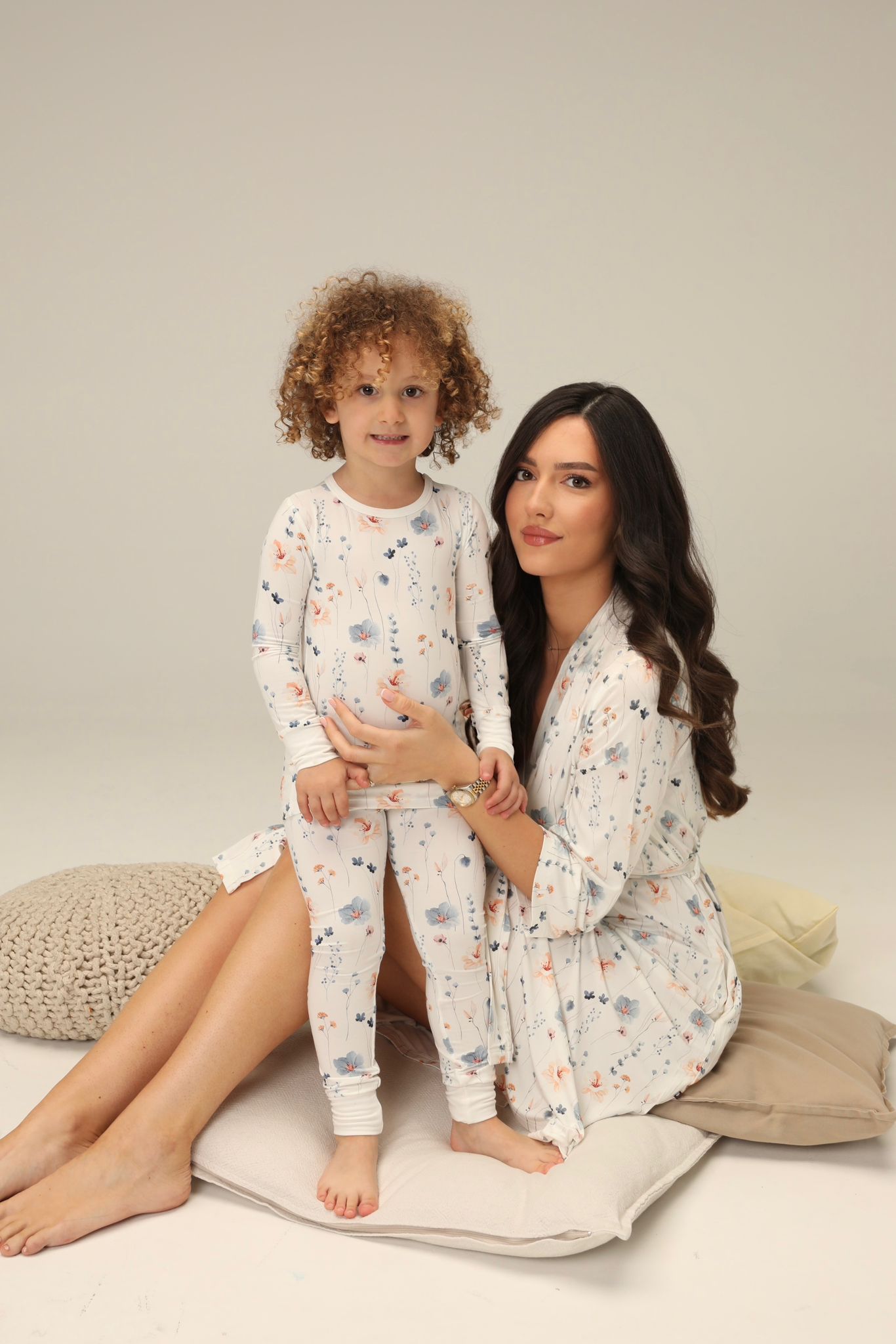
Kids Wearing MA-MA NYC Bamboo Pajamas

Safety and Certifications in Bamboo Baby Clothes

Why Safety Labels Are Important

Baby skin is thinner and more permeable than adult skin, which means it can absorb residues from dyes, finishes or detergents more easily. Even when fabric feels soft, it may still contain chemicals from processing. Safety certifications are the clearest way to confirm that a garment is safe for everyday wear.

OEKO-TEX® Standard 100

The most recognized certification for baby clothing is OEKO-TEX® Standard 100. This label means that every part of the garment - fabric, thread, zippers and snaps has been tested for harmful levels of over 300 substances. For bamboo baby clothes, this certification reassures parents that the viscose processing and any dyes used are free from residues that could irritate the skin.

Other Certifications Parents May See

  • GOTS (Global Organic Textile Standard): Primarily used for organic cotton but occasionally applied to bamboo blends. Focuses on both chemical safety and environmental practices.
  • CPSIA (Consumer Product Safety Improvement Act): A U.S. standard requiring children’s products, including clothing, to meet limits on lead and phthalates. Most reputable baby brands comply by default.

Why Labels Alone Aren’t Enough

While certifications provide reassurance, day-to-day care also matters. Using fragrance-free detergents, skipping fabric softeners and washing before first wear all reduce the chance of irritation. Even certified fabrics can cause discomfort if residues from washing products remain.

How to Check Labels When Shopping

Parents shopping for bamboo baby clothing should:

  • Look for visible OEKO-TEX® Standard 100 labels.
  • Confirm the certification number online if unsure.
  • Be cautious with “eco” or “green” claims without recognized standards.

High-quality bamboo garments balance softness with safety, giving parents confidence that clothes are gentle enough for daily wear from the newborn stage through toddlerhood.

Building a Bamboo Baby Wardrobe

Parents often wonder how many bamboo pieces they actually need. The answer depends on stage of growth and the season, but a small, versatile wardrobe usually works better than overbuying. Because bamboo is breathable, stretchy and durable, a few core garments can cover multiple situations.

Newborn Stage (0–3 Months)

  • 5–7 bamboo footies or knotted gowns – soft enough for sleep and simple for middle-of-the-night changes.
  • 3–4 bamboo bodysuits – can be layered under swaddles, sleep sacks or worn alone during the day.
  • 2–3 bamboo hats – protect against drafts without trapping too much heat.
  • 2–3 bamboo swaddles – versatile for wrapping, covering a car seat or laying on a playmat.

Infant Stage (3–12 Months)

  • 5–6 bamboo pajamas or footies – essential for overnight comfort.
  • 4–5 bamboo bodysuits – mix of short and long sleeves depending on the season.
  • 2–3 bamboo pants or leggings – flexible enough for crawling and rolling.
  • 2 bamboo hats or bows – add gentle coverage and style without stiffness.
  • 1–2 bamboo blankets – larger than swaddles, useful for stroller naps or playtime.

Toddler Stage (12–24 Months)

  • 5–6 bamboo pajamas or two-piece sets – allow for easier diaper and potty changes.
  • 3–4 bamboo toddler dresses or shorts sets – breathable play outfits that move with active toddlers.
  • 2–3 bamboo tops or T-shirts – lightweight and easy to layer under jackets.
  • 2–3 bamboo leggings or pants – soft enough for play but sturdy enough for frequent washes.

Seasonal Adjustments

Because bamboo adapts across temperatures, many items work year-round. Still, layering is key:

  • In summer, bodysuits and shorts sets paired with lightweight bamboo hats work best.
  • In fall and spring, footies, dresses with leggings and light blankets add warmth without bulk.
  • In winter, bamboo sleepwear can be paired with a sleep sack for safe overnight comfort.

For a broader seasonal approach, see How to dress baby by season.

Tips for a Functional Bamboo Wardrobe

  • Rotate a few high-quality pieces instead of overstocking.
  • Choose neutral colors that mix and match across outfits.
  • Size up if your baby is between sizes; bamboo’s stretch allows room to grow.
  • Wash regularly but gently to preserve softness and shape.

Sizing and Growth in Bamboo Baby Clothes

Bamboo clothing has a natural stretch that adapts well to active babies and growing toddlers. This flexibility means garments often fit longer than their cotton counterparts, but it can also cause some confusion about sizing.

  • Newborns: Choose true-to-size footies or knotted gowns for a snug but gentle fit.
  • Infants: If your baby is between sizes, sizing up can provide room for growth without looking too loose, thanks to bamboo’s stretch.
  • Toddlers: Two-piece bamboo pajama sets and dresses maintain shape through frequent wear, so you can expect them to last across growth spurts with less need for replacement.

Parents often find that bamboo clothes remain in use for a longer period, making them a practical choice for building a baby wardrobe.

How to Wash and Care for Bamboo Baby Clothes

Bamboo fabric stays soft through many washes, but it needs the right care to maintain its qualities. Because babies wear their clothes for long stretches, safe washing practices also help reduce irritation and extend garment life.

Washing

  • Use a gentle, fragrance-free detergent. Harsh chemicals and fragrances can leave residues that irritate sensitive skin.
  • Wash on a cold or warm cycle. Hot water isn’t necessary and may weaken fibers over time.
  • Turn garments inside out. This helps reduce pilling and protects prints or delicate stitching.
  • Wash before first wear. This removes any finishing residues and prepares the fabric for contact with skin.

Drying

  • Air drying is best. Hanging or laying bamboo baby clothes flat keeps the fabric soft and extends garment life.
  • Tumble dry on low if needed. High heat can shrink bamboo or damage elastic waistbands.
  • Avoid dryer sheets. They often leave chemical residues that can irritate skin.

Stain Removal Tips

  • Treat stains promptly. Dab (don’t rub) with cold water before laundering.
  • Use mild, baby-safe stain removers. Avoid bleach or strong chemicals, which break down bamboo fibers.
  • Sunlight as a natural aid. Hanging bamboo garments in indirect sunlight can naturally lighten stains.

Storing

  • Fold instead of hanging. Hanging for long periods can stretch the fabric.
  • Keep in a dry, cool space. Bamboo resists odors, but storage in damp areas can still encourage mildew.
  • Rotate sizes. Babies grow quickly — store outgrown bamboo pieces in breathable bins for future use or gifting.

Why Care Matters

Bamboo fabrics are strong yet delicate. With proper care, bamboo clothing stays smooth, holds its stretch, and resists pilling far better than many cotton blends. For a full step-by-step routine, see the Bamboo Baby Clothes Wash Guide.

Sustainability and Eco-Friendly Parenting

Why Bamboo Appeals to Eco-Conscious Parents

Many families choose bamboo not only for softness and comfort but also because of its environmental profile. Bamboo is one of the fastest-growing plants on earth, reaching maturity in just a few years without the need for replanting. It requires significantly less water than cotton and grows without heavy reliance on pesticides. These traits make it attractive for parents who want clothing choices that align with sustainable living.

Processing and Transparency

While the plant itself is highly renewable, bamboo fabric is not created by weaving raw stalks. Instead, the stalk is broken down into pulp and turned into viscose. This process requires chemicals to soften and spin the fibers. When managed responsibly, with wastewater treatment and quality certification, bamboo fabric can still be a more eco-friendly choice than many alternatives. Parents should look for OEKO-TEX® Standard 100 labels or other certifications that confirm safe finishing.

Durability and Reduced Waste

Another sustainable advantage comes from the longevity of bamboo baby clothing. The fabric resists pilling and maintains its softness through frequent washing. Parents often find that bamboo pieces last longer and can be passed down to siblings, reducing the need to purchase as many new clothes. Fewer replacements mean less textile waste over time.

Building an Eco-Friendly Wardrobe

  • Buy fewer, better pieces. A small collection of versatile bamboo garments often covers more situations than a large wardrobe of lower-quality items.
  • Mix fabrics wisely. Bamboo pairs well with cotton staples, letting parents balance comfort, sustainability, and cost.
  • Think beyond the newborn months. Choosing bamboo dresses, shorts sets and tops for toddlers extends the eco-friendly benefits into the later stages of childhood.

Bamboo isn’t a perfect solution, but it offers meaningful improvements in resource use, garment durability, and comfort for sensitive skin. For parents aiming to combine eco-friendly values with practical daily wear, bamboo baby clothes are a thoughtful place to start.

Longevity and Hand-Me-Downs

One of bamboo’s overlooked advantages is how well it holds up for multiple children. Unlike some cotton blends that fade or stiffen over time, bamboo fibers stay smooth and soft even after repeated washing. Clothes resist pilling and maintain their stretch, making them ideal candidates for hand-me-downs.


Many families pass down bamboo footies, pajamas and swaddles to younger siblings or gift them to friends. This longevity reduces textile waste and makes bamboo clothing a better long-term investment, even with a slightly higher upfront cost.

Where to Buy Bamboo Baby Clothes

Parents looking for bamboo clothing quickly find that not all options are the same. Quality varies in softness, durability and safety certifications, which makes it important to choose trusted brands. At MA-MA NYC, our focus is on pieces designed for comfort, practicality and long-term use.

Bamboo Footies

Bamboo baby footies are one of the most versatile garments in a baby’s wardrobe. They work as daytime outfits for newborns and as pajamas for infants, combining breathable bamboo fabric with features like two-way zippers and tag-free interiors. Parents often rely on footies as the go-to piece for both sleep and play.

Knotted Onesies and Gowns

For the first months, bamboo knotted gowns simplify late-night diaper changes. The natural stretch of bamboo makes them easy to tie and untie without disturbing a baby’s rest. They’re also gentle against the umbilical cord area in the early weeks, when comfort and flexibility matter most.

Bamboo Swaddles

Bamboo swaddles combine breathability and light stretch, making them a favorite for parents who want to create a secure wrap without overheating. They double as stroller covers, nursing covers and lightweight blankets, adding to their practicality.

Pajamas for Toddlers and Kids

As babies grow, bamboo pajamas extend the same benefits into the toddler years. The fabric adapts well to active movement during the day and cooler, calmer sleep at night. Many parents transition from footies in infancy to two-piece bamboo pajama sets for older toddlers, keeping bamboo as a long-term solution for sensitive skin and nighttime comfort.


FAQ

Are bamboo baby clothes safe for newborns?

Yes. Bamboo fabrics that are OEKO-TEX® Standard 100 certified are safe for newborns, meaning they have been tested for harmful substances. Because bamboo is soft and breathable, it helps reduce irritation and overheating, both of which are important during the early weeks when a baby’s skin is especially delicate.

Do bamboo baby clothes shrink after washing?

Bamboo can shrink slightly if exposed to high heat in the dryer. To minimize this, wash in cold or warm water and air dry or tumble dry on low. With gentle care, bamboo baby clothes keep their shape well and remain soft through many washes.

How long do bamboo baby clothes typically last?

When properly cared for, bamboo clothes often outlast standard cotton garments. The fibers resist pilling and keep their softness even after repeated laundering. Many families pass bamboo footies, pajamas or swaddles down to siblings without noticeable wear.

Do bamboo baby clothes need special detergent?

No special detergent is required, but it is best to use a fragrance-free, dye-free formula. Babies with sensitive skin may react to residues left by harsh detergents or fabric softeners. A mild, hypoallergenic detergent helps keep the fabric soft and irritation-free.

Are bamboo baby clothes good for hot weather?

Yes. Bamboo is lightweight, breathable and moisture-wicking, which makes it well-suited for warm climates and summer months. A bamboo bodysuit or shorts set keeps babies cooler than many synthetic fabrics while still offering full coverage.

Are bamboo baby clothes more sustainable than organic cotton?

Bamboo requires less water and grows faster than cotton, which makes it resource-efficient at the farming stage. However, processing bamboo into viscose involves chemical treatment. When done responsibly and certified for safety, bamboo baby clothes can be both sustainable and safe. Organic cotton remains another strong option, so many parents include both fabrics in a baby’s wardrobe.

Do bamboo baby clothes wrinkle easily?

Yes, bamboo tends to wrinkle more than polyester or blended fabrics. Folding or hanging right after drying helps reduce creases. Many parents accept minor wrinkles in everyday baby clothes, since comfort and softness matter more than appearance.