Eczema Pajamas for Toddlers: Why Bamboo is a Smart Choice for Sensitive Skin

Comfortable, breathable eczema-friendly pajamas for toddlers and sensitive skin

For many parents, bedtime becomes one of the hardest parts of the day when a toddler has eczema. Pajamas that trap heat, rub against sensitive patches, or use harsh fabrics can make itching worse and keep little ones awake. Even children without diagnosed eczema often have delicate skin that reacts to rough textures, sweat, or chemical-treated fabrics.


This is why choosing the right pajamas for eczema-prone toddlers matters. The fabric your child sleeps in can either soothe the skin or aggravate flare-ups. Soft, breathable, chemical-free materials help reduce irritation and keep nighttime more comfortable. Among the fabrics parents explore, bamboo pajamas stand out as a trusted choice for toddlers with eczema and generally sensitive skin.

Table of Contents:

How Pajama Fabrics Affect Eczema and Sensitive Skin 

Eczema flare-ups in toddlers are often triggered by things that seem small, a bit of sweat under a blanket, a scratchy seam on pajamas or synthetic fabrics that don’t let the skin breathe. Rough fibers like wool can rub against irritated patches, while polyester and other synthetics tend to trap heat and moisture. Both increase the risk of itching and broken sleep.


That’s why pediatricians and eczema organizations consistently point to soft, breathable fabrics as the safest choice for toddlers. Clothing that feels smooth against the skin and avoids unnecessary tags or seams can make a noticeable difference. The National Eczema Society notes that cotton and bamboo are widely preferred because they reduce friction and allow the skin to breathe, while rougher or heavily treated fabrics may worsen symptoms.


Medical News Today also highlights bamboo as part of a growing list of eczema-friendly clothing options that support airflow and keep skin cooler at night. Parents who switch to these materials often notice fewer flare-ups related to overheating or irritation during sleep.


The bottom line is when choosing eczema pajamas for toddlers, fabric should be the first consideration. Smooth, breathable materials help the skin stay calm, while synthetic-heavy or textured fabrics can prolong discomfort.

Why Bamboo Pajamas Help Toddlers with Eczema

Parents often ask: “Is bamboo good for eczema?” While no fabric can cure the condition, certain materials can make a significant difference in how comfortable a toddler feels during sleep. Bamboo is one of the fabrics most frequently recommended by dermatologists and eczema organizations because of its skin-friendly properties.


Here’s why bamboo is often the best choice:

  • Exceptionally soft fibers: Bamboo is naturally smooth at the microscopic level, meaning fewer rough points to rub against inflamed patches. For toddlers who already struggle with itching, this softness reduces additional irritation.
  • Breathable and moisture-wicking: Overheating and sweat are common eczema triggers. Bamboo fabric draws moisture away from the skin and allows airflow, helping toddlers stay cooler and drier throughout the night.
  • Temperature regulation: Bamboo adjusts well to seasonal changes — warm enough in cooler weather, yet lightweight and cooling when it’s warm. That balance helps reduce nighttime flare-ups linked to trapped body heat.
  • Hypoallergenic properties: Bamboo clothing is less likely to harbor allergens compared to synthetic-heavy fabrics, making it a safer everyday choice for eczema-prone or sensitive skin.
  • Gentle stretch: When blended with a small amount of spandex, bamboo maintains flexibility without feeling restrictive, allowing toddlers to move comfortably without rubbing or pulling on irritated areas.

Why Certifications Matter

Not all bamboo fabrics are created equal. Some are processed with harsh chemicals or dyed in ways that may aggravate eczema. That’s where certifications like OEKO-TEX® Standard 100 come in.


This certification guarantees that every component of the garment, from the fabric itself to the threads and zippers, has been independently tested and confirmed free from harmful levels of more than 300 substances known to irritate skin. For a toddler with eczema, this adds an extra layer of reassurance that pajamas won’t introduce new triggers.


While fabric alone is not a treatment, choosing eczema-friendly pajamas made from OEKO-TEX® certified bamboo can help reduce irritation, minimize flare-ups linked to clothing and support more restful sleep.

Features to Look for in Eczema Pajamas for Toddlers

Many pajamas are marketed as soft, but not all are suitable for toddlers with eczema. The details in the fabric and construction make the difference between comfort and irritation. When choosing pajamas for your kid, it helps to focus on a few key features that reduce irritation and keep sleep more comfortable:

  • OEKO-TEX® Standard 100 certification: Look for sleepwear that has been tested and verified free of harmful chemicals, dyes and finishes. This certification gives parents peace of mind that nothing in the garment, from thread to zipper, will add to skin irritation.
  • Minimal seams and no scratchy tags: Raised seams or stiff neck labels can rub against inflamed patches. Tag-free interiors and flat seams are much gentler on sensitive skin.
  • Breathable, natural fabrics: Fabrics like bamboo are smooth, moisture-wicking and temperature-regulating. They are an excellent choice for clothing for eczema and help reduce flare-ups linked to overheating or sweat.
  • Gentle stretch for comfort: Pajamas with a little spandex allow freedom of movement without tight elastic bands that dig into the skin. This keeps bedtime and nighttime changes simpler.
  • Secure yet simple closures: Two-way zippers are often better than multiple snaps, since they reduce friction and save time during late-night changes.
  • Easy care instructions: Wash pajamas in fragrance-free detergent, avoid fabric softeners, and stick to a gentle cycle. These steps help maintain softness and reduce chemical residue that may irritate eczema-prone or sensitive skin.

When these features are in place, pajamas do their job without causing extra irritation, making it easier for toddlers with eczema to stay comfortable and sleep longer.

Why MA-MA Bamboo Pajamas & Footies Work for Sensitive Skin

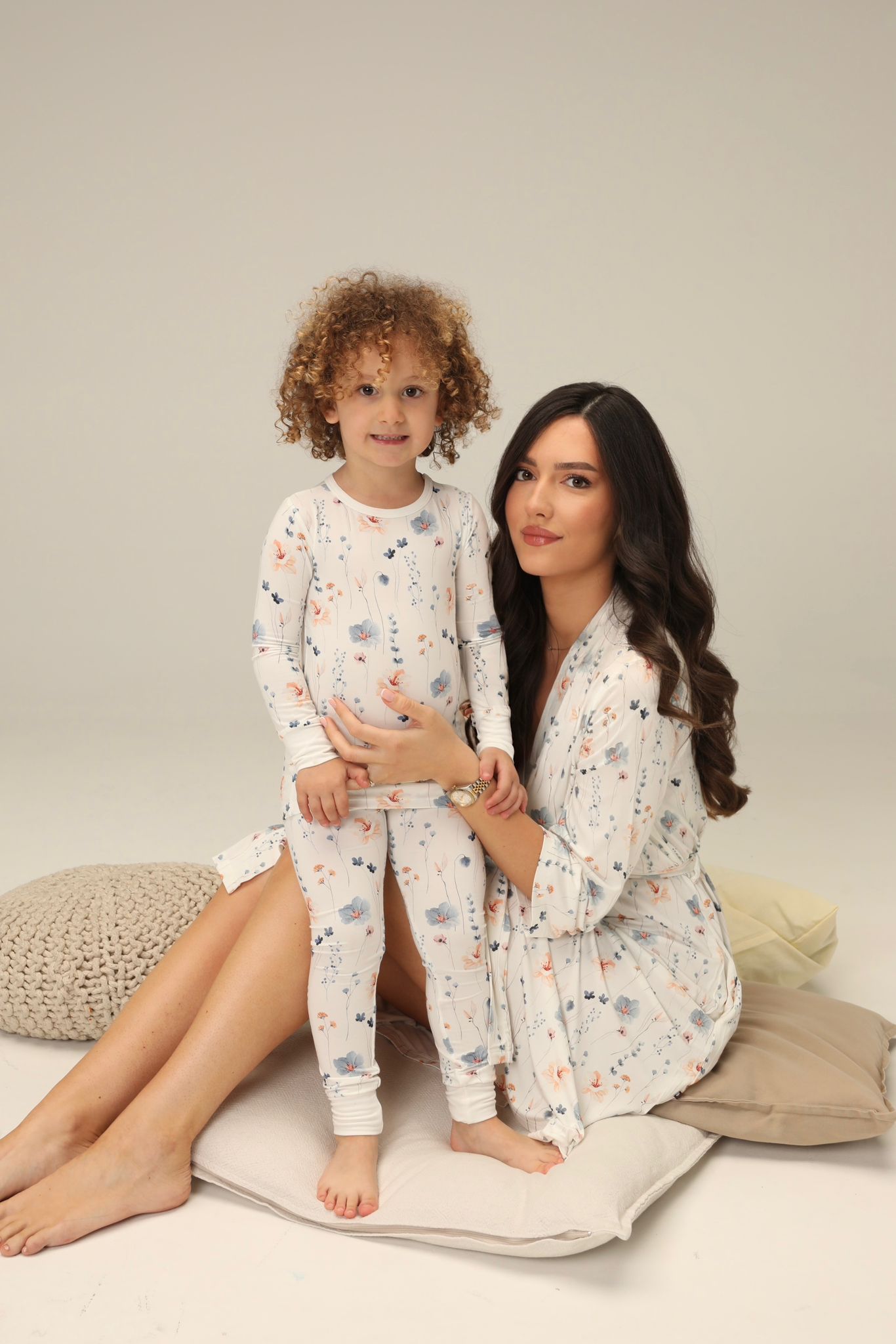
MA-MA bamboo pajamas and footies are designed with these details in mind to give toddlers comfortable, eczema-friendly sleepwear that avoids the usual irritants found in conventional clothing.

  • 95% bamboo with a touch of spandex: The high bamboo content provides softness and breathability, while 5% spandex adds gentle stretch so toddlers can move comfortably without irritation.
  • OEKO-TEX® Standard 100 certified: Every part of the garment, from the fabric to the stitching and zippers, has been independently tested and confirmed free from harmful levels of substances that may trigger skin reactions.
  • Tag-free interiors and flat seams: Built to reduce friction on delicate areas, removing one of the most common clothing-related problems for children with eczema.
  • Two-way zippers: Allow quick diaper or pajama changes without exposing the whole body to drafts, helping toddlers stay settled through the night.
  • Everyday durability: Soft enough for sleep yet strong enough for daily wear and frequent washing, which parents of children with sensitive skin know is essential.

Pajamas

Footies

Conclusion

Eczema cannot be managed through fabric choice alone, but the right pajamas can make a noticeable difference in comfort. Materials that are soft, breathable and free from harsh chemicals reduce common triggers such as overheating, friction and sweat. Bamboo, especially when OEKO-TEX® Standard 100 certified, is one of the most consistent options for toddlers who need reliable, eczema-friendly sleepwear.


For parents, this means fewer night wakings caused by irritation and more peace of mind that clothing is supporting, rather than complicating, their child’s bedtime routine. Pajamas should always be part of a broader approach to eczema care that includes medical guidance, but they remain an important piece of the daily routine. 


Disclaimer: This article is for informational purposes only and does not replace professional medical advice. Always consult your pediatrician or dermatologist for guidance on managing eczema, sensitive skin, or any medical condition.

Frequently Asked Questions

Should toddlers with eczema wear pajamas year-round, or only during flare-ups?

Consistent use of eczema-friendly sleepwear is helpful year-round. Flare-ups can occur unexpectedly, and maintaining breathable, gentle fabrics every night reduces exposure to potential triggers.

What’s better at night for eczema, pajamas or just a diaper in warm weather? 

Toddlers with eczema benefit from a lightweight layer even in warm conditions. Direct skin contact with bedding can increase friction and sweating, which may worsen irritation. A breathable bamboo pajama is preferable to leaving the skin uncovered.

Do toddlers with eczema need looser pajamas?

A slightly relaxed fit is ideal. Pajamas that are too tight may trap heat and cause rubbing at pressure points. Clothing that allows comfortable movement without bunching is less likely to aggravate sensitive areas.

Can laundry products affect eczema, even with the right pajamas?

Yes. Residues from detergents and fabric softeners are a frequent source of irritation. Using fragrance-free detergent and avoiding fabric softeners lowers this risk. Running an additional rinse cycle can also help remove residues.

Is it safe to use a sleep sack over pajamas for toddlers with eczema?

Yes, provided that layering does not cause overheating. If a sleep sack is used, the pajama underneath should be lightweight and breathable. Check the back of the neck or chest for warmth to confirm the child is not too hot.

Can pajamas replace eczema treatment?

No. Pajamas can reduce irritation but do not treat eczema itself. They should be used alongside a medical care plan provided by a pediatrician or dermatologist.