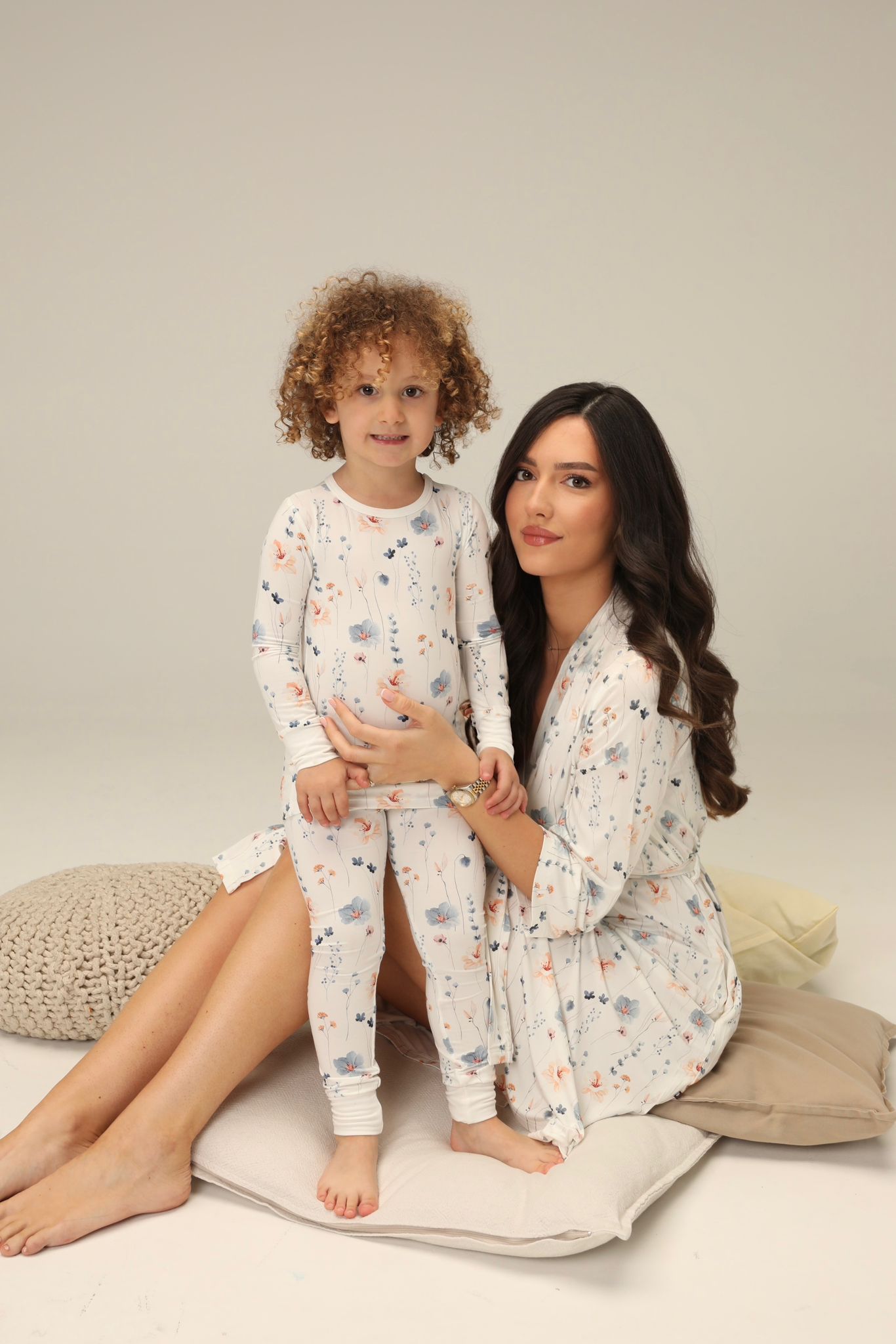
Baby Travel Clothing: How to Dress Your Baby for Comfortable Trips

Practical layering and outfit ideas for flights, car rides and on-the-go days

Travel days put baby clothes to the test. Airports run cool, planes warm up after takeoff, car seats hold heat and relatives’ homes can feel different from your own. Long stretches in one position also change how fabrics feel on the skin. The result: a baby who needs clothes that breathe, stretch and change with the environment.


This guide explains how to dress a baby for travel with clear, real-life steps. You’ll learn a simple layering system for baby travel outfits, the best fabrics for comfort and what works on planes versus cars. We’ll cover quick-change pieces for tight spaces, why bulky coats conflict with car seats and how to handle temperature swings without overpacking. 


By the end, how to dress baby for plane travel and road trips will feel straightforward: light layers that move with your day, keep the skin dry and make changes fast.

Table of Contents:

Why Fabric and Fit Matter When Traveling with a Baby

Travel days often mean hours of sitting, holding or carrying your baby. During that time, fabric choice and fit have more impact than you might expect. A material that feels fine at home can quickly trap heat or chafe during longer trips.

Comfort Through Changing Temperatures

Airports, cars and planes rarely stay at one consistent temperature. A baby dressed in thick fleece may feel cold walking into the terminal, then sweat minutes later in a heated cabin. Breathable fabrics like bamboo or organic cotton handle these shifts better. They allow air to circulate and wick away moisture before it builds on the skin.

Stretch and Movement

Long rides limit how much a baby can move. Soft, stretchable fabrics keep them comfortable even when strapped into a car seat or carrier. Look for outfits without stiff waistbands, tight cuffs or decorative seams that press against the skin. A simple one-piece design such as a footie or bodysuit moves naturally with every stretch and nap.

Managing Moisture and Spills

Spit-ups, drool, and diaper leaks are part of travel days. Quick-drying fabrics save time and reduce the need for constant changes. Bamboo is especially useful here; it dries faster than cotton and keeps its softness after washing, even when air-dried overnight in a hotel or guest room.

Fit Over Bulk

Parents sometimes think thicker clothing means better warmth, but bulk can make it harder to buckle car seats or carriers safely. A snug, flexible fit works better than heavy insulation. Warmth should come from layers, not padding.

How to Layer a Baby for Travel

Layering gives you flexibility when temperatures change between cars, terminals and airplane cabins. The goal is to maintain steady comfort through breathable, removable layers.

The Layering System

  1. Base Layer - The layer touching your baby’s skin should be soft and breathable. A bamboo or organic cotton footie or bodysuit works well for long periods of sitting or holding because it keeps skin dry and prevents irritation.
  2. Middle Layer - Add a light knit or long-sleeve sleeper to hold warmth. This layer should stretch gently and avoid thick seams that could press against the skin in a carrier or car seat.
  3. Outer Layer - For cooler areas like boarding gates or rest stops, use a thin jacket, cardigan or blanket. This layer should come off easily once the space warms up.

Best Fabrics for Baby Travel Clothing

When you’re on the move, fabric choice makes the biggest difference in how your baby feels. The right material keeps the skin dry, adapts to changing temperatures, and holds up through spills and quick washes.

Bamboo

Bamboo fabric is ideal for travel because it manages both heat and moisture well. It’s naturally breathable and helps regulate temperature in warm or cool environments. The fibers move air efficiently, reducing the chance of overheating on long car rides or flights.


Bamboo also resists odors and dries faster than cotton, which helps during trips with limited laundry options. Its softness stays consistent after washing, making it comfortable for babies who spend hours in carriers or car seats.

Organic Cotton

Organic cotton is a dependable choice for everyday wear. It’s soft, non-irritating and easy to layer. Cotton’s only drawback is that it retains moisture longer than bamboo, so it’s better for shorter trips or as a mid-layer rather than the base. Many parents pair cotton with bamboo to balance absorbency and breathability.

Modal and Cotton Blends

Some travel-friendly baby clothes use a mix of modal and cotton. Modal is smooth, wrinkle-resistant and lightweight, which makes it helpful for packing. It performs well for day travel, though it doesn’t regulate temperature quite as effectively as bamboo.

Fleece and Heavy Synthetics

Fleece holds warmth but traps heat in confined spaces, such as car seats or planes. It’s best reserved for outer layers used briefly outdoors. Avoid heavy synthetics or waterproof coatings for base or mid layers; these block airflow and can cause the skin to overheat.

Why Natural, Certified Fabrics Work Best

Natural fabrics like bamboo and organic cotton allow airflow, absorb excess moisture, and minimize skin irritation. Look for pieces labeled OEKO-TEX® Standard 100, which means they’ve been tested for chemical safety and are suitable for sensitive skin.

Dressing a Baby for Plane Travel

Flights are unpredictable for temperature and comfort. The air near the boarding gate can feel cold, while the cabin warms once the plane reaches cruising altitude. Babies spend most of the flight seated, held or napping, so comfort depends on layers that adapt easily.

Choose Breathable Layers

Dress your baby in soft, flexible fabrics that manage temperature and moisture. A bamboo or organic cotton footie is an ideal base. It moves with the body and stays gentle on the skin through long stretches of sitting. Avoid thick fleece or puffy jackets, which trap heat in the confined cabin space.


Add a thin knit romper or cardigan for warmth during boarding and remove it if the cabin feels warm after takeoff. Keep a lightweight blanket or bamboo swaddle nearby for naps.

Prioritize Easy Changes

Airplane restrooms are small, and changing a baby mid-flight is often awkward. Choose clothes with two-way zippers or front snaps for quick access. Avoid outfits with multiple layers that must be fully removed for a diaper change. A one-piece footie or romper is the most practical option.


Pack one complete outfit in your carry-on for emergencies like spills, blowouts or sudden temperature changes. A small wet bag helps keep soiled clothes separate until you can wash them.

Keep Extremities Covered, But Watch for Heat

Cabin air often blows directly from overhead vents. Use a soft hat and socks during boarding or early parts of the flight if the air feels cold. Remove them once your baby’s neck and chest feel warm to the touch.

Manage Cabin Dryness

Airplane air is dry, which can irritate a baby’s nose and skin. Bamboo’s natural moisture balance helps prevent dryness and overheating. Applying a gentle baby moisturizer before boarding also helps maintain comfort.

Example Plane Travel Outfits

For cooler flights:

  • Bamboo footie (base)
  • Knit cardigan or lightweight romper (middle)
  • Swaddle or blanket for naps
  • Soft hat and socks for boarding

For warmer destinations:

  • Short-sleeve bamboo bodysuit (base)
  • Light cotton pants or leggings (middle)
  • Muslin swaddle or thin travel blanket
  • Socks only if the cabin feels cool

For official travel safety advice, see the Federal Aviation Administration’s (FAA) guide for flying with infants.

Dressing a Baby for Car Travel

Car travel brings its own temperature challenges. Vehicles warm up quickly once the heat is on, yet the air can feel cold during loading or stops. The best approach is dressing your baby in thin, breathable layers that keep warmth even without adding bulk.

Dress for the Ride, Not the Walk to the Car

It’s safer to add layers after your baby is strapped in rather than before. Thick jackets or snowsuits compress under the harness, leaving it loose during a crash. Instead, dress your baby in a soft base and mid layer, buckle the harness snugly and then cover with a blanket for warmth.


This safety approach is confirmed by the National Highway Traffic Safety Administration (NHTSA), which advises parents to remove puffy clothing before placing a child in a car seat.

Ideal Fabrics for Car Travel

Breathable fabrics like bamboo and cotton regulate warmth while allowing airflow. They help prevent sweating when the car warms up and stay comfortable during long drives. Avoid waterproof materials or heavy fleece against the skin as they trap moisture and can cause irritation.

When Heating or Air Conditioning Is On

Car interiors can change temperature quickly. If you’re using the heater, check your baby’s neck and chest after a few minutes; if they feel warm or damp, remove one layer. Keep a light blanket nearby for cooling down periods when the heater cycles off.

Example Car Travel Outfits

For cold conditions:

  • Bamboo footie (base)
  • Thin cotton or knit sweater (mid layer)
  • Blanket over the harness once buckled
  • Warm hat and socks for outdoor moments

For moderate temperatures:

  • Cotton bodysuit (base)
  • Bamboo footie (mid layer)
  • Light muslin or bamboo blanket for extra warmth
  • Socks only, no hat once inside the heated car

Practical Tips for Road Trips

  • Keep one extra outfit within reach, babies often need a change mid-drive.
  • Use window shades to reduce direct sunlight during daytime trips.
  • Never cover your baby’s face or head with a blanket while driving.
  • Check temperature regularly; babies in rear-facing seats may feel warmer than you expect.

Baby Travel Essentials to Pack

Packing for a trip with a baby often feels like preparing for every possible scenario. The goal is choosing the right mix of layers and comfort pieces that adapt to new environments.

Clothing and Comfort

  • Two to three complete outfits for each day of travel. Footies and rompers take up little space and can double as sleepwear. 
  • Light layers such as bodysuits, leggings, and soft tops. These work across car rides, flights and layovers.
  • One warmer outfit or knit sweater for cooler destinations.
  • Sleepwear or gowns for overnight stays. Knotted gowns simplify nighttime changes in hotels or guest rooms.
  • Light hat and socks for temperature changes.
  • Swaddle or blanket for naps, feeding and warmth on planes or in the car. Bamboo swaddles fold small and serve multiple purposes.

On-the-Go Necessities

  • Extra outfit in your carry-on for spills or blowouts.
  • Wet bag or reusable pouch for soiled clothes.
  • Travel-size detergent or stain remover for longer trips.
  • Diapering supplies: plenty of diapers, wipes and a portable changing pad.
  • Sleep sack or wearable blanket for overnight stays - easier and safer than loose blankets.
  • Small toy or comfort item to keep your baby relaxed during delays.

Parent Tip

Roll outfits by day inside resealable bags to save space and make mid-travel changes faster. Replace used clothes with clean ones as you go, keeping your diaper bag organized throughout the trip.

MA-MA NYC Travel-Ready Pieces

The best travel days start with clothes that adapt - breathable, easy to wash and gentle for long hours in motion. MA-MA NYC pieces are made from 95% bamboo and 5% spandex, offering softness, stretch and lasting comfort for any journey. Each item is OEKO-TEX® Standard 100 certified, meaning it’s safe for sensitive skin.

Bamboo Footies 

Ideal for long flights or car rides. The fabric keeps warmth consistent without overheating, while two-way zippers simplify diaper changes in tight spaces.

EXPLORE COLLECTION

Knotted Gowns

Perfect for overnight stays or early-morning departures. Easy to tie and untie for change without restricting movement.

EXPLORE COLLECTION

Bamboo Swaddle Blankets

Versatile enough to serve as a stroller cover, nursing wrap or blanket during naps on the go.

EXPLORE COLLECTION

Why These Work for Travel

  • Lightweight, packable materials take up less space in your carry-on.
  • Soft stretch keeps your baby comfortable during long stretches of sitting or sleeping.
  • Quick-drying bamboo fabric makes mid-trip washing simple.

MA-MA travel essentials give parents the flexibility to handle every part of the trip, from airport gates to family visits with fewer, smarter layers.

Conclusion

Comfortable travel starts with thoughtful clothing choices. When your baby’s outfit adapts to changing temperatures and long stretches of sitting or holding, the day feels easier for everyone.


Soft, breathable fabrics like bamboo and cotton keep the skin dry and comfortable, while light layers make it simple to adjust for car rides, boarding gates or overnight flights. A few well-planned pieces often replace bulky outfits that take up extra space.

Disclaimer

This article provides general information about baby travel clothing and is not a substitute for medical or professional safety advice. Always follow current recommendations from your pediatrician, the American Academy of Pediatrics (AAP), and the National Highway Traffic Safety Administration (NHTSA) when traveling with infants.

FAQ

How many outfits should I pack for a baby during travel?

Plan for at least two to three full outfit changes per day of travel. Babies often need extra layers because of spills, diaper leaks or temperature changes. Bring one complete spare outfit in your carry-on for quick access.

Can a baby wear pajamas on a flight?

Yes. Soft, breathable pajamas such as bamboo or cotton footies work well for flights, especially overnight or long-distance ones. They reduce irritation from seatbelts or being held for long periods and make diaper changes easier.

What should a baby wear in a car seat during travel?

Dress your baby in thin, flexible layers like a bamboo footie or cotton sleeper. Avoid thick coats or snowsuits under the harness, as they prevent a secure fit. Add warmth with a blanket placed over the straps once your baby is buckled.

Is bamboo fabric good for baby travel clothing?

Yes. Bamboo manages heat and moisture better than most fabrics, stays soft after washing and dries quickly if it gets wet. These qualities make it ideal for travel days when temperature changes and washing options are limited.

Should I bring a sleep sack or swaddle for travel?

A lightweight, breathable sleep sack or bamboo swaddle is useful for naps and overnight stays. It replaces loose blankets, which can slide or bunch during sleep.

How can I prevent my baby from overheating during travel?

Check your baby’s chest or neck regularly. If their skin feels warm or damp, remove one layer or switch to a lighter blanket. Breathable fabrics and removable layers help maintain steady warmth without trapping heat.

What’s the best way to handle outfit changes on the go?

Pack one outfit per resealable bag. After a change, place soiled clothes in the same bag to keep the diaper bag organized and prevent leaks. Two-way zippers or front snaps make mid-travel changes easier in small spaces.